Not medical advice. This content is for informational purposes only, backed by cited research. Consult a healthcare provider for personal guidance.
5 Best Metamucil Alternatives (2026)
Updated 2026-07-12 · Sources cited below
Metamucil is the most popular fiber supplement for constipation — and also the one people quit most often. The gritty texture, the thickening, the gas during the first week — these are real usability problems that drive people to look for alternatives. Here are five options that solve different specific complaints.
Why People Look for Metamucil Alternatives
The top complaints about Metamucil, in order: the gritty/thick texture that makes drinks unpleasant, the gas and bloating during the first 1-2 weeks (caused by psyllium fermenting in the gut), and the hassle of mixing powder into liquid multiple times daily.
Some people also find that psyllium fiber worsens their IBS symptoms rather than improving them — particularly those with IBS where bloating is a primary symptom.
How We Chose These Alternatives
Each alternative addresses a specific Metamucil complaint. We included two other fiber types (less gas, better texture), one non-fiber approach (MiraLAX), one probiotic (gut health focus), and one stool softener (maximum gentleness) — because the best alternative depends entirely on why Metamucil isn't working for you.
Understanding Fiber Types and Why They Matter
Not all fiber supplements work the same way. Metamucil uses psyllium husk — a soluble, gel-forming, fermentable fiber. "Soluble" means it absorbs water and forms a gel. "Gel-forming" means it creates structure that holds stool together. "Fermentable" means gut bacteria break it down, producing gas as a byproduct.
Benefiber (wheat dextrin) is soluble and partially fermentable but doesn't form a gel — which is why it dissolves invisibly and produces less gas; our Benefiber review covers the formats. Citrucel (methylcellulose) is soluble but non-fermentable — gut bacteria can't break it down at all, producing virtually zero gas, and our Citrucel product page explains what that costs you in prebiotic benefit. Understanding this fermentability spectrum helps you predict which fiber will work best for your gut.
The Gas Problem: What Actually Happens
Metamucil's gas problem peaks during days 3-7 of use and typically resolves by week 2-3. The gas comes from bacteria in your colon fermenting the psyllium, producing hydrogen and methane. Starting at half-dose and increasing slowly over two weeks significantly reduces this adjustment period, but some people remain sensitive even after gradual introduction.
If you tried Metamucil and quit because of gas within the first week, consider whether you gave it enough time. However, if gas persisted past two weeks, your gut microbiome may simply ferment psyllium more aggressively than average, and switching to Citrucel (non-fermentable) is a legitimate solution. If you'd rather leave fiber behind altogether, our probiotic review and our docusate write-up cover the two non-fiber options on this list, and our full fiber supplement ranking compares every psyllium alternative in one place.
Psyllium's Unique Cholesterol Benefit
One thing no Metamucil alternative can replicate: the FDA-approved cholesterol-lowering claim. Taking 7g of psyllium daily (about 3 servings of Metamucil) can reduce LDL cholesterol by 5-10%. This effect is clinically meaningful — enough to potentially avoid or reduce statin medication in borderline cases. No other fiber type has this evidence. If your doctor recommended Metamucil specifically for cholesterol, switching to Benefiber or Citrucel means losing this benefit.
Tips for Making the Switch
If you're switching from Metamucil to another fiber supplement, you can transition immediately — there's no interaction between fiber types. Start the new fiber at half-dose even if you were on full-dose Metamucil, since different fiber types interact with your gut bacteria differently. If you're switching to MiraLAX (non-fiber), stop Metamucil and start MiraLAX the same day at the standard 17g dose. Expect results within 1-3 days.

Benefiber
Best for No Grit or TasteIf Metamucil's gritty texture drives you crazy, Benefiber is the answer. It dissolves completely in any liquid — truly invisible, no thickening, no taste. It uses wheat dextrin instead of psyllium, so it also produces less gas. The trade-off: no cholesterol-lowering benefit.
Citrucel
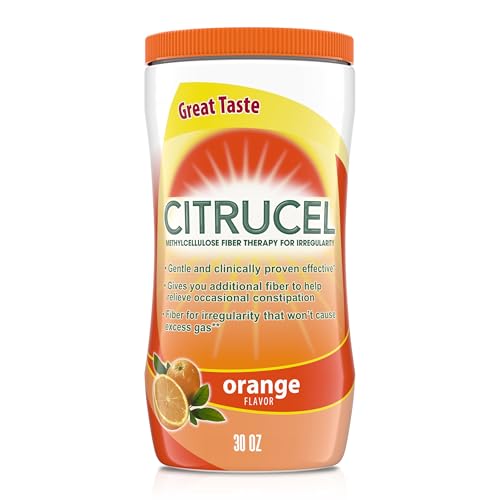
Best for Zero GasIf gas and bloating are your main complaint with Metamucil, Citrucel is the solution. Methylcellulose fiber is non-fermentable — gut bacteria can't break it down, so it produces virtually zero gas. It dissolves well but creates a slightly thicker texture than Benefiber.

MiraLAX
Best Non-Fiber AlternativeIf you've given fiber supplements a fair try and they just don't work for you, MiraLAX takes a completely different approach. It draws water into your intestines (osmotic) rather than adding fiber bulk. No grit, no gas, no fiber bloating. Works in 1-3 days.

Culturelle Digestive Daily
Best for Gut Health FocusIf your goal is broader digestive health rather than pure constipation relief, Culturelle (Lactobacillus rhamnosus GG) supports your gut microbiome. It's a probiotic capsule — no mixing, no texture issues. Best combined with a fiber source rather than as a standalone constipation treatment.

Colace
Gentlest AlternativeIf any fiber supplement causes you uncomfortable bloating, Colace takes the gentlest possible approach — it simply softens stool with a surfactant. No fiber, no bulk, no gas. It's very mild and may not be strong enough for moderate constipation, but for people who truly can't tolerate fiber, it's an option.
Frequently Asked Questions
Sources
Clinical Research & Guidelines
- The Effect of Fiber Supplementation on Chronic Constipation in Adults: An Updated Systematic Review and Meta-Analysis of Randomized Controlled Trials (2022)
- Understanding the Physics of Functional Fibers in the Gastrointestinal Tract: An Evidence-Based Approach to Resolving Enduring Misconceptions about Insoluble and Soluble Fiber (2017)
Drug Labels & Regulation
Related
Medical Disclaimer
This content is for informational purposes only and does not constitute medical advice. Always consult a healthcare professional before starting any new medication or supplement, especially if you are pregnant, nursing, taking prescription medications, or have a pre-existing medical condition. Product recommendations are based on publicly available clinical research and are not a substitute for professional medical guidance. Read our full disclaimer.
This article contains affiliate links. We may earn a commission at no extra cost to you. See our full disclosure.