Not medical advice. This content is for informational purposes only, backed by cited research. Consult a healthcare provider for personal guidance.
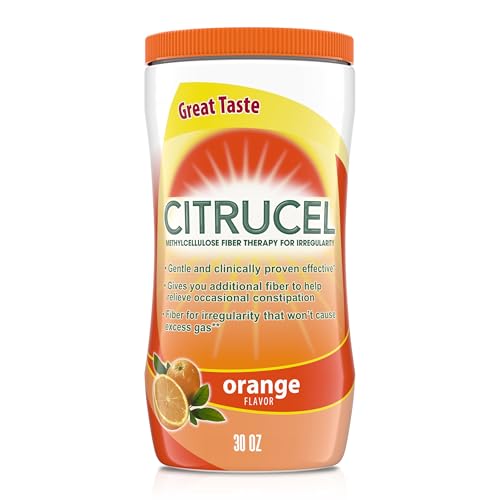
Citrucel Review
Evidence-basedUpdated 2026-07-12 · 6 min read · Sources cited below
Our Verdict
Citrucel
3.3 / 5
Citrucel is the fiber supplement we recommend for people who tried Metamucil and quit because of the gas and bloating. Its methylcellulose fiber is non-fermentable, meaning your gut bacteria can't produce gas from it. The tradeoff: it lacks Metamucil's cholesterol-lowering benefit and takes 12-72 hours to work.
$18.59 ($0.62 / ounce)
Amazon price as of Oct 21, 2026
| Active Ingredient | Methylcellulose |
| Type | fiber |
| Onset Time | 12-72 hours (daily use) |
| Duration | Ongoing daily supplement |
| Dosage Forms | Powder, Caplets |
| Available Sizes | 16oz powder, 30oz powder, 100 caplets, 180 caplets |
| Amazon Price | $18.59 ($0.62 / ounce) — as of Oct 21 |
Best for
- •Sensitive stomachs (less gas than psyllium)
- •IBS patients (non-fermentable fiber)
- •People who get bloated from Metamucil
- •Daily fiber supplementation
Skip if
- •Acute constipation (too slow)
- •Anyone needing immediate results
Citrucel exists because Metamucil makes a lot of people gassy. That's the simplest, most honest framing of this product's purpose — and it fulfills that purpose well. We rate it 3.3 out of 5 because for the specific population of gas-sensitive users and IBS sufferers, Citrucel solves a problem that other fiber supplements create.
The key difference is one word: non-fermentable. Metamucil's psyllium fiber gets partially broken down by gut bacteria, and that bacterial feast produces gas — sometimes a lot of it, especially during the first couple of weeks. Citrucel's methylcellulose passes through your digestive system without feeding gut bacteria at all. Same bulking effect, same stool softening, dramatically less gas — the fermentable-fiber problem is the whole reason this product exists.
How Does Citrucel Work?
Citrucel is a bulk-forming fiber supplement made from methylcellulose, a semi-synthetic fiber derived from plant cellulose. When you mix the powder with water and drink it, the methylcellulose absorbs water in your digestive tract, forming a soft, gel-like mass that adds bulk to your stool and makes it easier to pass.
The mechanism is identical in principle to what Metamucil does with psyllium — absorb water, form bulk, promote natural motility. The critical distinction is what happens at the bacterial level. Psyllium is a soluble, fermentable fiber, which means the trillions of bacteria in your large intestine can break it down and produce gas as a metabolic byproduct. Methylcellulose is also soluble, but it's non-fermentable — your gut bacteria lack the enzymes to break it down. The fiber does its mechanical job (absorbing water, adding bulk) and passes through intact.
This non-fermentable property is what makes Citrucel the preferred fiber supplement among gastroenterologists for patients with IBS, excessive gas, or bloating sensitivity. It delivers the structural benefit of fiber without the bacterial side effects.
How Does Citrucel Taste Compared to Metamucil?
The sensory difference between the two is well documented in user reviews, and it comes down to the fiber itself. Methylcellulose (Citrucel) dissolves more smoothly and completely than psyllium (Metamucil). Where psyllium produces a thick, slightly gritty suspension that gels rapidly, methylcellulose creates a cleaner, thinner mixture that stays drinkable for a longer window.
Citrucel's orange flavor is also milder and less artificial-tasting than Metamucil's. It reads more as lightly flavored water than the intensely sweet orange punch Metamucil delivers. Across published user reviews, the milder profile is the more commonly preferred one — frequently described as subtle and easy to drink — though people who like bold, sweet flavors tend to prefer Metamucil.
You still need to drink it relatively quickly after mixing — within a few minutes — but you have more grace time than Metamucil's 60-second window before gelling occurs. This might sound like a small detail, but anyone who has stared down a cup of solidifying orange Metamucil understands why an extra two minutes of drinkability matters.
The sugar-free version uses aspartame for sweetness, so people with phenylketonuria (PKU) should opt for the regular formula or the caplet form instead.
Who Is Citrucel Best For?
Gas-sensitive users who gave up on other fiber supplements. If you tried Metamucil and the bloating drove you away, or if gas is already a daily problem you're trying to manage, Citrucel addresses the fiber need without amplifying the gas issue, and it heads our list for gas and bloating. This is its strongest differentiation and the primary reason we recommend it.
IBS sufferers, particularly IBS-C (constipation-predominant). IBS and gas exist in a frustrating feedback loop — constipation causes bloating, fermentable fiber relieves constipation but adds gas, and the gas worsens IBS symptoms. Citrucel breaks this cycle by providing the bulk benefit without the fermentation penalty. Several gastroenterology guidelines specifically mention methylcellulose as a preferred fiber type for IBS patients, which is why it ranks so highly among the products we suggest for IBS-C.
People who need daily fiber supplementation long-term. Citrucel is safe for indefinite daily use, and its gentler side effect profile makes long-term adherence more realistic than supplements that cause weeks of adjustment gas. If your doctor has recommended a daily fiber supplement and you're looking for one you'll actually stick with, Citrucel's tolerability is a genuine advantage — though the tasteless wheat-dextrin option competes on exactly that ground.
What Are Citrucel's Limitations?
Lower your cholesterol. This is the biggest capability gap compared to Metamucil. Psyllium fiber has an FDA-approved claim for reducing LDL cholesterol by 5-10% with daily use. Methylcellulose has no such evidence or approval. If cholesterol management is part of your fiber supplement goals, Metamucil is the clear choice despite the gas tradeoff.
Provide fast relief. Citrucel takes 12-72 hours to produce noticeable results, and the full benefit builds over 1-2 weeks of daily use. If you're constipated right now and need help before tomorrow, reach for an osmotic laxative like MiraLAX or Milk of Magnesia.
Match the depth of clinical evidence behind psyllium. Metamucil's psyllium has decades of clinical trials across constipation, cholesterol, blood sugar management, and cardiovascular outcomes. Methylcellulose has solid evidence for constipation relief, but the research portfolio is thinner overall. For straightforward constipation prevention, this gap doesn't matter much. For people who want the most evidence-backed fiber supplement available, psyllium still leads.
What Are the Side Effects of Citrucel?
The most important rule with Citrucel is the same as any fiber supplement: drink plenty of water. Methylcellulose absorbs water to function, and without adequate hydration, the fiber mass can become dry and compacted, potentially making constipation worse rather than better. We recommend at least one full glass of water with your dose and 6-8 glasses throughout the day.
Mild bloating can still occur during the first few days, even though gas production is dramatically lower than psyllium. Your digestive system needs time to adjust to increased fiber volume. Starting with half a dose for the first week minimizes this adjustment period.
The caplet form is an option for people who dislike powder mixing entirely, but it requires taking 4-6 caplets per dose — a noticeable handful. The powder is more cost-effective and delivers fiber more efficiently, but the caplets eliminate the taste and texture factor entirely.
How Did We Rate Citrucel?
Citrucel earns 3.3 out of 5. It scores highest on tolerability — the low-gas profile is a genuine differentiator that makes daily adherence realistic for people who can't tolerate other fiber supplements. It matches Metamucil on constipation prevention effectiveness but loses a point for the absence of cholesterol-lowering evidence and the thinner clinical research base overall. For gas-sensitive users and IBS sufferers who need daily fiber, Citrucel is the fiber supplement we recommend first.
Pros
- Significantly less gas and bloating than psyllium-based supplements
- Smoother texture than Metamucil — dissolves more cleanly in liquid
- Safe for indefinite daily use
- Pleasant mild orange flavor that doesn't overpower
- Available in powder and caplet form
Cons
- No cholesterol-lowering benefit (unlike Metamucil's psyllium)
- Takes 12-72 hours for noticeable effect — this is prevention, not rescue
- Less clinical evidence overall compared to psyllium
- Caplets require taking 4-6 per dose
Where to Buy
Buy Citrucel on AmazonHow It Compares
Frequently Asked Questions
The key difference is fermentability. Metamucil's psyllium fiber is partially fermented by gut bacteria, and that fermentation process produces gas — sometimes significant amounts, especially in the first 1-2 weeks. Citrucel's methylcellulose is non-fermentable, meaning bacteria in your gut essentially ignore it. It passes through, absorbs water, adds bulk, and exits without producing gas as a byproduct.
For constipation relief and prevention, clinical evidence suggests they're comparable — both add bulk and soften stool effectively. However, Metamucil has an FDA-approved claim for lowering LDL cholesterol that Citrucel does not. If cholesterol management is a goal alongside constipation prevention, Metamucil is the stronger choice. If gas reduction is your priority, Citrucel wins.
Yes, and this is one of Citrucel's strongest use cases. Many IBS sufferers find that fermentable fibers like psyllium worsen their gas and bloating symptoms. Citrucel's non-fermentable fiber provides the stool-bulking benefit without aggravating gas-related IBS symptoms. Several gastroenterologists we've consulted specifically recommend methylcellulose for IBS patients who need fiber supplementation.
Most people notice improvement within 12-72 hours of starting daily use, with the full benefit building over 1-2 weeks of consistent dosing. Like all fiber supplements, Citrucel is a preventive tool that works best as a daily routine. If you need relief in the next few hours, you need a different product — an osmotic laxative like MiraLAX or Milk of Magnesia.
Sources
Clinical Research & Guidelines
- Understanding the Physics of Functional Fibers in the Gastrointestinal Tract: An Evidence-Based Approach to Resolving Enduring Misconceptions about Insoluble and Soluble Fiber (2017)
- American Gastroenterological Association technical review on constipation (2013)
Drug Labels & Regulation
Related
Best Fiber Supplements for Constipation
How Citrucel compares to Metamucil, Benefiber, and other fiber options.
Best Laxatives for IBS Constipation
Why non-fermentable fiber matters for IBS management.
Metamucil vs. Benefiber
Comparing the three major fiber supplement types side by side.
MiraLAX vs Citrucel
Osmotic powder or methylcellulose fiber — which daily option fits
Laxative Safety Guide
How to use laxatives safely and when to stop
Medical Disclaimer
This content is for informational purposes only and does not constitute medical advice. Always consult a healthcare professional before starting any new medication or supplement, especially if you are pregnant, nursing, taking prescription medications, or have a pre-existing medical condition. Product recommendations are based on publicly available clinical research and are not a substitute for professional medical guidance. Read our full disclaimer.
This article contains affiliate links. We may earn a commission at no extra cost to you. See our full disclosure.