VS
Not medical advice. This content is for informational purposes only, backed by cited research. Consult a healthcare provider for personal guidance.
Metamucil vs Citrucel: Which Is Better? (2026)
Updated 2026-07-12 · Sources cited below

Quick Verdict
Both are fiber supplements that work the same way — bulking stool so your body moves it naturally. The key difference is gas. Metamucil (psyllium husk) ferments in your gut and causes bloating, especially the first 1-2 weeks. Citrucel (methylcellulose) is non-fermentable and almost never causes gas. If bloating is a dealbreaker, Citrucel wins. If you want the cholesterol-lowering bonus, Metamucil wins.
Head-to-Head Comparison
| Metamucil | Citrucel | |
|---|---|---|
| Type | fiber | fiber |
| Active Ingredient | Psyllium Husk | Methylcellulose |
| Onset Time | 12-72 hours (daily use for best results) | 12-72 hours (daily use) |
| Duration | Ongoing daily supplement | Ongoing daily supplement |
| Dosage Forms | Powder, Capsules, Fiber Thins | Powder, Caplets |
| Price | $26.99 | $18.59 |
| Best For | Daily constipation prevention | Sensitive stomachs (less gas than psyllium) |
| Our Rating | 4 / 5 | 3.3 / 5 |
Metamucil and Citrucel are both fiber supplements. They both bulk up your stool, they both take 12-72 hours, and they're both safe for daily long-term use. So why does the choice matter? Because of one word: gas.
What Is the Difference Between Their Fiber Types?
Metamucil uses psyllium husk, a natural plant fiber from the Plantago ovata seed. When psyllium reaches your large intestine, gut bacteria partially ferment it. That fermentation is actually beneficial — it feeds good bacteria and produces short-chain fatty acids that nourish your colon lining. But it also produces gas. Methane, hydrogen, the works. For many people, the first 1-2 weeks on Metamucil mean noticeable bloating, flatulence, and abdominal discomfort.
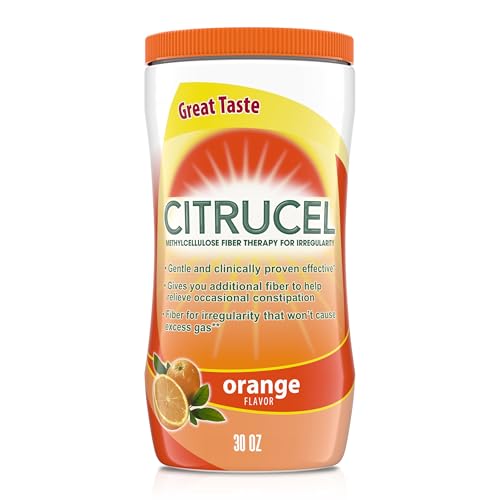
Citrucel uses methylcellulose, a semi-synthetic fiber derived from plant cellulose. The key difference: methylcellulose is non-fermentable. Your gut bacteria essentially can't touch it. It passes through your system doing its bulking job without producing any gas whatsoever. No adjustment period, no bloating, no awkward moments.
Both fibers work through the same basic mechanism — they absorb water, swell into a gel, add bulk to stool, and stimulate natural peristalsis. The end result is the same soft, formed stool that's easy to pass. The journey getting there is where they differ.
Which Has Better Side Effects?
Metamucil's side effects are concentrated in the first two weeks: bloating, gas, mild cramping, and a feeling of fullness that some people find uncomfortable. Most of these symptoms fade as your gut microbiome adapts. The other common complaint is texture — Metamucil's psyllium forms a thick, slightly gritty gel that some people find unpleasant to drink. You have to mix it quickly, drink it quickly, and chase it with more water.
Citrucel's side effects are remarkably few. The methylcellulose powder mixes more smoothly than psyllium, though it still thickens if you wait too long. The main risk with Citrucel (and Metamucil) is the same: not drinking enough water. Fiber without adequate hydration can actually worsen constipation by creating a dry, bulky mass that's harder to pass. At least 8 ounces of water with each dose, plus extra fluids throughout the day.
Does Only Metamucil Lower Cholesterol?
This is where Metamucil pulls ahead for certain people. Psyllium husk has an FDA-approved health claim for cholesterol reduction. The soluble gel traps bile acids in your intestines and carries them out of your body. Your liver then pulls LDL cholesterol from your bloodstream to synthesize replacement bile acids. Studies show 5-10 grams of psyllium daily can lower LDL cholesterol by 5-7%. That's meaningful — enough that some doctors recommend it as a first step before statins for borderline cholesterol levels.
Citrucel's methylcellulose does not have this effect. If your doctor has suggested fiber to help with cholesterol, Metamucil (or generic psyllium husk) is the only OTC fiber supplement with clinical evidence supporting that specific benefit.
How Do They Taste and Feel to Drink?
If you're taking something every day, how it tastes matters. Metamucil comes in flavored powders (Orange is the classic), sugar-free options, capsules, and gummies. The powder has a distinctive grainy texture that divides people — some don't mind it, others gag. The capsules avoid the texture issue but require swallowing 5-6 large capsules per dose.
Citrucel also comes in powder (Orange flavor) and caplet form. The powder generally mixes smoother than Metamucil with less grittiness, though it still thickens quickly. The caplets are a convenient option if you dislike drinking fiber.
Both products need to be consumed immediately after mixing. Wait more than 30 seconds and you'll have a gel glob in your glass that's genuinely difficult to drink.
Which Is Better for IBS Patients?
If you have IBS, gas and bloating aren't just uncomfortable — they can trigger a full flare. The fermentation from psyllium can push IBS-sensitive intestines past their threshold, causing pain, distension, and altered bowel habits. Many gastroenterologists specifically recommend methylcellulose (Citrucel) over psyllium (Metamucil) for IBS patients because of the non-fermentable advantage.
That said, some IBS patients do fine on Metamucil after a gradual ramp-up period. The prebiotic effect of psyllium fermentation may even benefit IBS over the long term. But if you're trying fiber for the first time with IBS, starting with Citrucel is the lower-risk move.
When Should You Choose Each One?
Metamucil wins for: people who want the cholesterol-lowering benefit, those who tolerate the initial gas phase, anyone looking for the most-researched fiber supplement, and people who prefer the widest variety of product formats (powder, capsules, gummies).
Citrucel wins for: gas-sensitive individuals, IBS patients, anyone who tried Metamucil and couldn't tolerate the bloating, and people who want a smoother-mixing powder with no adjustment period.
How Do Their Prices Compare?
Metamucil runs $15-35 depending on format and size, with generic psyllium husk available for significantly less ($8-15). Citrucel costs $12-28 for the name brand, with generic methylcellulose also available at lower prices. Per-day costs are similar for both — roughly $0.30-0.60 for name brand, less for generics. Price should not be the deciding factor here; the gas question should be.
If you want the individual verdicts rather than the head-to-head, read our write-up on Metamucil and Citrucel on its own, or compare the fiber supplements ranked head to head.
Choose Metamucil if...
you want the most clinically studied fiber supplement with proven benefits beyond constipation — including lowering LDL cholesterol by up to 7%, blood sugar regulation, and appetite control. Psyllium husk is the gold standard for fiber supplementation. You just need to tolerate 1-2 weeks of adjustment bloating and drink plenty of water.
Paid linkBuy MetamucilChoose Citrucel if...
you're sensitive to gas and bloating and want fiber without the digestive adjustment period. Methylcellulose is a non-fermenting fiber, meaning gut bacteria don't break it down, meaning virtually no gas. It's the better choice for IBS patients, anyone with existing bloating issues, and people who tried Metamucil but couldn't tolerate the gassiness.
Paid linkBuy CitrucelOur Verdict: It Depends
This is a genuine tie because the core function is identical — both are soluble fiber supplements that bulk up stool and make it easier to pass. They work over the same 12-72 hour timeframe and are equally safe for daily long-term use. The deciding factor is purely personal: do you prioritize the extra health benefits of psyllium (cholesterol, blood sugar) and can handle temporary gas? Or do you need a gas-free experience? Neither answer is objectively better.
Frequently Asked Questions
Psyllium husk (Metamucil) is partially fermented by bacteria in your large intestine. Fermentation produces gas — methane and hydrogen specifically. Methylcellulose (Citrucel) is a synthetic fiber that your gut bacteria cannot ferment, so no gas is produced. This is the single biggest practical difference between the two products.
Usually, yes. Most people find that the gas and bloating from Metamucil significantly decrease after 1-2 weeks of consistent daily use as your gut microbiome adjusts. The standard advice is to start with half the recommended dose and gradually increase over a week. If gas persists beyond 3 weeks, switch to Citrucel.
No. The cholesterol-lowering effect is specific to psyllium's gel-forming properties — it traps bile acids in your intestines, forcing your liver to pull cholesterol from your blood to make more. Methylcellulose doesn't form the same type of gel and doesn't have this effect. If cholesterol management is a goal, Metamucil is the clear choice.
You can mix either with water, juice, or smoothies. Mixing with coffee is not recommended for either — the heat can cause the fiber to gel too quickly and create a thick, unpleasant texture. Both should be mixed with at least 8 oz of cold liquid, stirred quickly, and consumed immediately before they thicken.
Sources
Clinical Research & Guidelines
Drug Labels & Regulation
Related
Medical Disclaimer
This content is for informational purposes only and does not constitute medical advice. Always consult a healthcare professional before starting any new medication or supplement, especially if you are pregnant, nursing, taking prescription medications, or have a pre-existing medical condition. Product recommendations are based on publicly available clinical research and are not a substitute for professional medical guidance. Read our full disclaimer.
This article contains affiliate links. We may earn a commission at no extra cost to you. See our full disclosure.