Not medical advice. This content is for informational purposes only, backed by cited research. Consult a healthcare provider for personal guidance.
5 Best MiraLAX Alternatives (2026)
Updated 2026-07-12 · Sources cited below
MiraLAX is our top recommendation for gentle daily constipation relief — but it's not perfect for everyone. It takes 1-3 days to work, the powder can feel slippery in water, and some people experience bloating during the first few days. If MiraLAX isn't working for you, here are the five best alternatives, each solving a different problem.
Why People Look for MiraLAX Alternatives
Before switching products, make sure you're not overlooking the simplest fix: generic PEG 3350. MiraLAX is just a brand name — store-brand PEG 3350 is chemically identical and costs 30-50% less. If price is your issue, that's the answer.
If the product itself isn't working for you, the most common complaints are speed (too slow for acute constipation), side effects (bloating during the first few days), and preference for a more natural approach. Each alternative below addresses one of these specific concerns.
How We Chose These Alternatives
We selected alternatives that address the most common reasons people leave MiraLAX, covering different product categories (fiber, stimulant, osmotic, softener) so each alternative offers a genuinely different approach rather than a minor variation.
What Makes MiraLAX Different from Its Alternatives
MiraLAX (polyethylene glycol 3350) is an osmotic laxative — it draws water into your intestines to soften stool. It's not absorbed into the bloodstream, has minimal drug interactions, and is considered one of the safest OTC options. The American Gastroenterological Association recommends PEG 3350 as a first-line treatment for chronic idiopathic constipation.
The alternatives on this list work through fundamentally different mechanisms. Fiber supplements add bulk to stool and feed gut bacteria — see our psyllium product review and wheat dextrin write-up. Stimulant laxatives force intestinal muscle contractions, which our bisacodyl deep dive covers in detail. Saline osmotics (Milk of Magnesia) use magnesium salts instead of PEG. Stool softeners reduce surface tension so stool absorbs more water, and what the docusate research actually shows is worth reading before you switch to it. Understanding these differences helps you pick the right product for your situation.
When to Stick with MiraLAX Instead of Switching
Don't switch products if you haven't given MiraLAX a full 3-day trial. Many people take one dose, see no results the next morning, and conclude it doesn't work. MiraLAX is designed for gradual, comfortable relief over 1-3 days — not overnight urgency. If a genuinely daily regimen is what you're after, our ranking of everyday laxative options covers the osmotic, fiber, and softener routes together. Also consider whether the bloating you experienced was a first-week adjustment that would have resolved on its own.
If you're on multiple medications, MiraLAX's lack of drug interactions is a significant advantage that most alternatives can't match. Stimulant laxatives can interfere with potassium-sparing diuretics, Milk of Magnesia interacts with certain antibiotics and bisphosphonates, and fiber supplements can reduce absorption of some medications if taken at the same time.
Switching Safely Between Products
When transitioning from MiraLAX to an alternative, there's no need for a washout period — MiraLAX doesn't build up in your system. If you're switching to a fiber supplement, start with half the recommended dose and increase over a week to minimize gas. If you're switching to a stimulant laxative, use the lowest effective dose and limit use to no more than 7 consecutive days unless directed by your doctor.

Metamucil
Best Natural AlternativeIf you want to prevent constipation rather than treat it, Metamucil (psyllium) is the best natural alternative to MiraLAX. It adds fiber your diet probably lacks, improves regularity over 1-2 weeks, and lowers cholesterol as a bonus. The trade-off: gritty texture and gas during the first week.

Dulcolax
Best for Faster ReliefIf MiraLAX is too slow (1-3 days), Dulcolax provides overnight relief in 6-12 hours. It's a stimulant laxative — completely different mechanism — so expect potential cramping. Use occasionally, not daily.
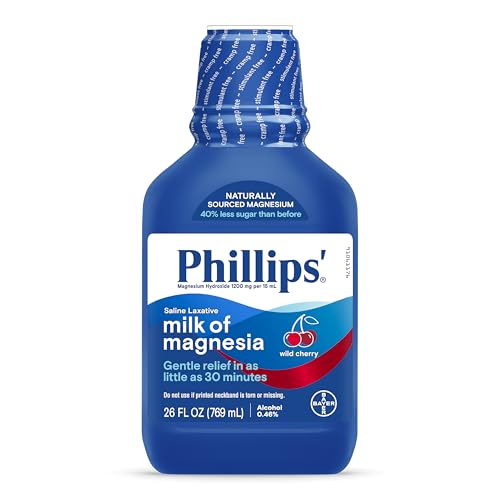
Phillips' Milk of Magnesia
Fastest Osmotic AlternativeIf you like MiraLAX's osmotic approach but need faster results, Milk of Magnesia works in 30 minutes to 6 hours. Same category, much faster onset. The downside: chalky taste and it's not safe for people with kidney problems.

Benefiber
Best for Zero Side EffectsIf MiraLAX's initial bloating bothers you, Benefiber causes even fewer side effects. It dissolves completely, has no taste, and produces minimal gas. It's a fiber supplement rather than an osmotic, so it works differently — better for prevention than active treatment.

Colace
Gentlest AlternativeIf even MiraLAX feels like too much, Colace is the absolute gentlest OTC option. It simply softens stool without drawing water or stimulating anything. It's the go-to during pregnancy and post-surgery. The honest downside: clinical evidence for its effectiveness is weak.
Frequently Asked Questions
Sources
Clinical Research & Guidelines
Drug Labels & Regulation
Related
Medical Disclaimer
This content is for informational purposes only and does not constitute medical advice. Always consult a healthcare professional before starting any new medication or supplement, especially if you are pregnant, nursing, taking prescription medications, or have a pre-existing medical condition. Product recommendations are based on publicly available clinical research and are not a substitute for professional medical guidance. Read our full disclaimer.
This article contains affiliate links. We may earn a commission at no extra cost to you. See our full disclosure.