Not medical advice. This content is for informational purposes only, backed by cited research. Consult a healthcare provider for personal guidance.
5 Best Dulcolax Alternatives (2026)
Updated 2026-07-12 · Sources cited below
Dulcolax is the fastest reliable OTC laxative — but the cramping can be brutal. If you're looking for an alternative, the right choice depends on what specifically bothers you about Dulcolax: the cramping, the cost, the form factor, or the fact that you keep needing it.
Why People Look for Dulcolax Alternatives
The number one reason is cramping. Dulcolax (bisacodyl) works by forcing your intestinal muscles to contract, and those forced contractions cause cramping that ranges from mild to severe. There's no way to predict which you'll get, and no way to reduce it without reducing the dose (and effectiveness).
The second most common reason is worry about dependency. People reaching for Dulcolax every week often fear that regular stimulant use weakens intestinal muscle over time. That specific fear is not supported by current evidence — but needing a stimulant most weeks is still a good reason to see a doctor, because it means the cause of the constipation has not been found.
How We Chose These Alternatives
Each alternative addresses a specific reason for leaving Dulcolax. We included options from different product categories (stimulant, osmotic, fiber) because the best alternative often isn't a similar product — it's a fundamentally different approach to the same problem.
Understanding Dulcolax's Mechanism (and Why Alternatives Differ)
Dulcolax (bisacodyl) is a contact stimulant — its active metabolite directly activates nerve endings in the colon wall, triggering propulsive contractions that move stool forward. This mechanism is what makes it fast (6-12 hours) and also what makes it uncomfortable. The cramping isn't a defect; it's the product working as designed.
This is why switching to another stimulant laxative (Senokot, Ex-Lax) may reduce cramping intensity but won't eliminate it. Senna-based products stimulate the same nerve endings through a slightly different pathway, which some people tolerate better — our senna write-up covers how much milder it actually is. For truly cramp-free relief, you need to move to a different product category entirely: the PEG 3350 review explains the osmotic route, and our magnesium hydroxide page covers the faster saline version of the same idea.
The Stimulant Dependency Question
One of the most common concerns about Dulcolax is whether long-term use creates dependency. The current evidence does not support it. The "cathartic colon" idea traces back to old animal studies at very high doses and to case reports in people abusing laxatives; the 2023 AGA-ACG guideline now recommends stimulant laxatives for chronic constipation. What is well documented is laxative abuse at very large doses, which causes electrolyte disturbance and dehydration — a different thing from taking a labeled dose.
The practical advice from gastroenterologists is straightforward: occasional Dulcolax use (once or twice a week) is safe for most adults. If you need it more frequently, that's a signal to try a daily preventive approach — daily fiber (Metamucil) or daily osmotic (MiraLAX) — rather than repeated rescue doses of a stimulant.
When Dulcolax Is Still the Right Choice
Despite the cramping, Dulcolax remains the best option for certain situations. For acute constipation where you need relief within 12 hours, no alternative on this list matches its speed except Milk of Magnesia — our ranking of laxatives by onset time puts all of these on the same clock. For colonoscopy prep, bisacodyl is specifically included in most prep protocols because of its reliable timing. And for occasional constipation in healthy adults who tolerate the cramping, it's a perfectly safe and effective product.
How to Switch From Dulcolax to a Daily Preventive
If you're switching from occasional Dulcolax to daily MiraLAX or psyllium fiber, expect a transition period of 3-7 days where you may not have a bowel movement. This is normal — osmotic and fiber products take time to establish regular patterns. During this transition, keep Dulcolax available as a backup but resist using it unless you go more than 3 days without a movement.

Senokot
Best Stimulant AlternativeIf you want a stimulant laxative but find Dulcolax's cramping too intense, Senokot is worth trying. It uses senna (plant-derived sennosides) instead of bisacodyl and some people experience milder cramping. Same overnight timing (6-12 hours), but potentially gentler onset.

MiraLAX
Best No-Cramp AlternativeIf cramping is your main reason for leaving Dulcolax, MiraLAX eliminates it entirely. It's an osmotic laxative that works without any intestinal stimulation. The trade-off: it takes 1-3 days instead of overnight. For chronic constipation, this is actually the better long-term approach.
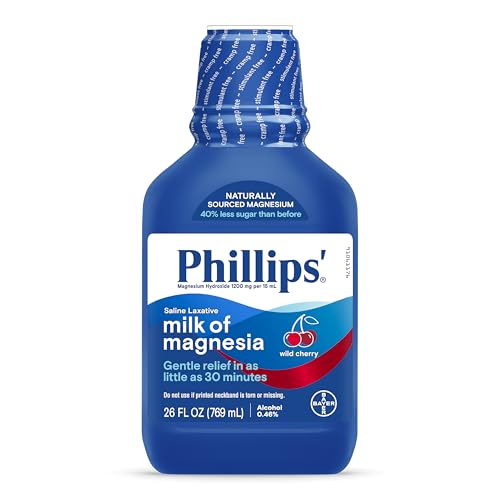
Phillips' Milk of Magnesia
Fastest Non-StimulantIf you want Dulcolax's speed without stimulant side effects, Milk of Magnesia is the closest match. It can work in 30 minutes to 6 hours through osmotic action rather than stimulation. Less cramping than Dulcolax, though the chalky taste is a downside.

Ex-Lax
Best Budget StimulantIf Dulcolax works for you but the tablets are the problem, Ex-Lax uses the same stimulant approach (senna-based) in a chocolate-flavored chewable. Similar speed (6-12 hours) and effectiveness — check current prices, as Dulcolax is often the cheaper of the two.

Metamucil
Best Preventive AlternativeIf you keep reaching for Dulcolax repeatedly, the real answer may be prevention rather than rescue. Daily Metamucil (psyllium fiber) builds long-term regularity so you rarely need a stimulant at all. It takes 1-2 weeks to establish but eliminates the cycle of constipation → Dulcolax → cramping → repeat.
Frequently Asked Questions
Sources
Clinical Research & Guidelines
Drug Labels & Regulation
Related
Medical Disclaimer
This content is for informational purposes only and does not constitute medical advice. Always consult a healthcare professional before starting any new medication or supplement, especially if you are pregnant, nursing, taking prescription medications, or have a pre-existing medical condition. Product recommendations are based on publicly available clinical research and are not a substitute for professional medical guidance. Read our full disclaimer.
This article contains affiliate links. We may earn a commission at no extra cost to you. See our full disclosure.